
Air & Space
Vata Dosha
- Controls movement and the nervous system
- Governs breathing and circulation
- Influences mental flexibility
Common imbalances
- Anxiety & restlessness
- Joint pain
- Insomnia
About us
Ayurveda — a unique blend of Shastra (scripture) and Vigyan (science) — has evolved over thousands of years to offer a holistic approach to health and wellness.
Discover the transformative power of Ayurveda, the ancient system of healing rooted in India’s rich heritage. Derived from the Sanskrit words Ayur (life) and Veda (knowledge), Ayurveda literally meansthe knowledge of life. This time-tested tradition emphasises balance in the body, mind, and spirit to ensure longevity and prevent disease.
Ayurveda offers a remedy for nearly every disease — so long as life remains within the body. By restoring balance in the mind, body, and spirit, it works to delay the inevitable, much like resetting a computer.
People often assume Ayurveda works slowly, but that’s only part of the story. Thousands of years ago, when it was the primary medical system, its results were remarkable. Much of that effectiveness has since been lost — not because the herbs changed, but because the practical knowledge of how and when to prepare them faded.
The renowned Sanjeevani Booti is a prime example: it is effective only when harvested before sunrise. Similarly, traditional Ayurvedic medicines must be prepared at precise times, dates, and auspicious moments to unlock their full efficacy. We follow these time-honoured practices in every preparation.
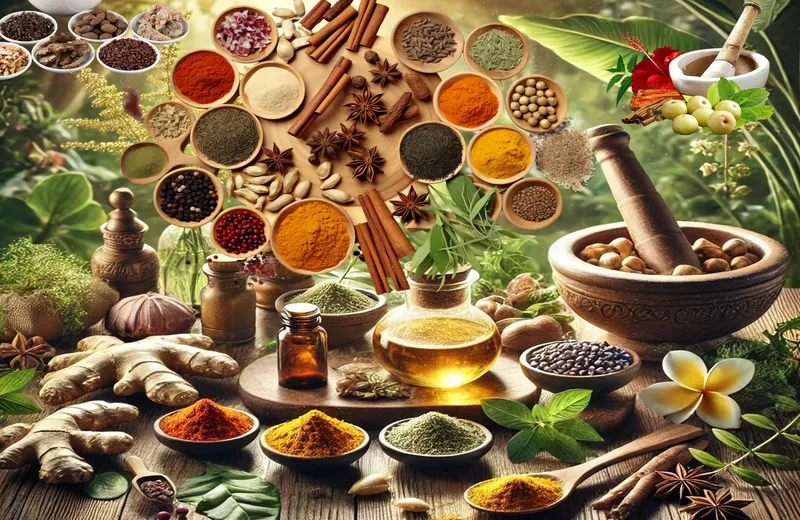
The essence of Ayurveda
Vata, Pitta, and Kapha govern our physical and mental states. In harmony, the body stays healthy and resilient; an imbalance leads to ailments. By restoring dosha equilibrium, Ayurveda promotes lasting vitality.

Air & Space
Fire & Water
Earth & Water
Body tissues
Modern fast food, deep-fried meals and overly spicy dishes may satisfy the taste buds, but do little to nourish these tissues. For long-term health, choose nutrient-rich, whole foods.

Our legacy
Ayurveda, the timeless “Science of Life,” blends profound wisdom (Shastra) with practical scientific principles (Vigyan) to nurture the harmony of body, mind, and spirit. Focused on sustaining equilibrium and preventing disease, it fosters lasting vitality, energy, immunity, and mental clarity.

Our philosophy
Our approach restores dosha balance with natural remedies and lifestyle adjustments, honouring nature’s cycles. Today, Ayurveda goes beyond curing disease to proactively preventing it through proper diet, mindful practices, and sustainable lifestyle changes.
Why choose us
We adhere to time-tested Ayurvedic diagnostic methods and traditional treatments, preserving the true essence of this ancient science.
Every individual is unique, so we create customised healing plans tailored to your specific needs for lasting wellness.
Our therapies address the mind, body, and spirit, providing comprehensive care that promotes long-lasting health and vitality.
Natural remedies and eco-friendly methods that harmonise with nature — supporting your health now and for the future.
Dinacharya
A disciplined lifestyle supports digestion and well-being. Eat and sleep on time, consume pure foods, choose seasonal produce, and prefer natural ingredients over refined products.
Diet guide
A holistic diet plan designed to help regulate blood sugar naturally with nutrient-rich, diabetes-friendly ingredients.

Founder
We believe in the power of Ayurveda not just as a healing practice but as a way of life. By restoring the balance of the doshas and focusing on natural remedies, we aim to improve the overall quality of life for individuals. Ayurveda teaches us to respect nature’s resources and live in harmony with its cycles.
In today’s world, Ayurveda is not just about curing diseases, but also preventing them. Through proper diet, lifestyle changes, and mindful practices, one can maintain health and prevent the onset of chronic illness.
Begin your healing
Achieve better health naturally with our herbal remedies. Explore our products or consult our experts to start your wellness journey today.